
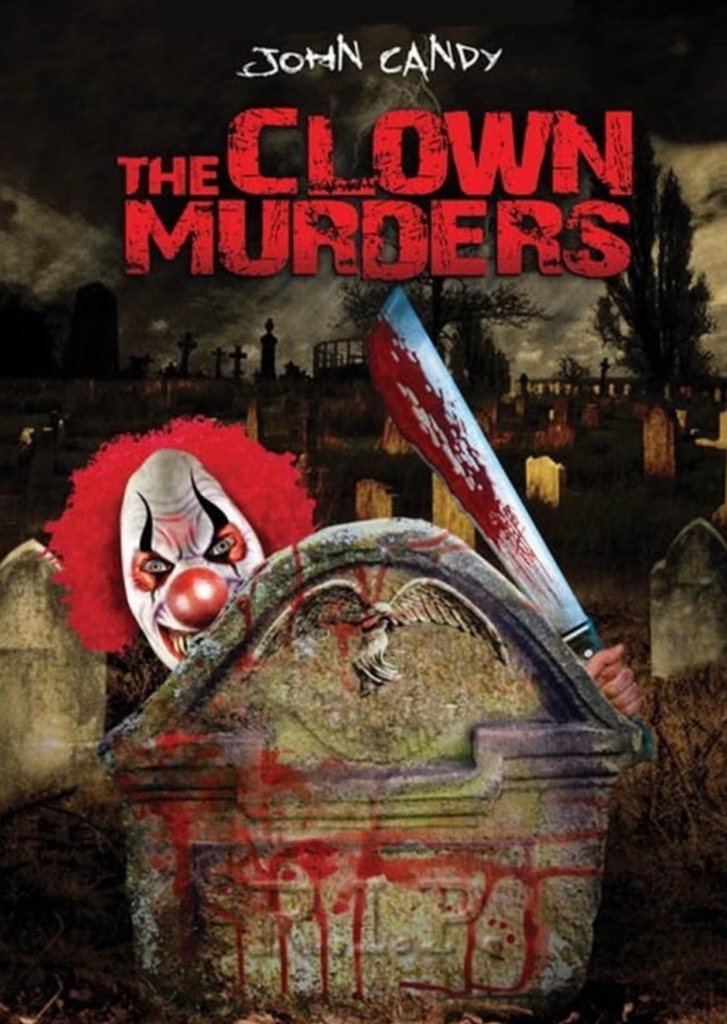
1. A Sinister Clown in the Graveyard
1. Imagery
A sinister clown peers from behind a gravestone, holding a bloodied blade. Weathered tombstones, bare trees and a cloudy sky establish a threatening cemetery setting.
2. Composition
The large foreground gravestone anchors the design, partially concealing the clown. The blade creates a strong diagonal towards the title, while the receding graves add depth.
3. Colour
Black, muddy brown and grey-green create a gloomy palette. Bright red connects the clown’s hair, nose, bloodstains and title, while the pale face and blue blade stand out against the darkness.
4. Title and Typography
The title dominates the upper section in heavy red capitals with a distressed texture. John Candy’s name appears above in scratchy white lettering, clearly separated from the main image.
5. Symbolism and Tone
Clown makeup turns a familiar symbol of entertainment into a threat. The cemetery, blood and weapon reinforce death and danger, giving the artwork an overtly violent horror tone.
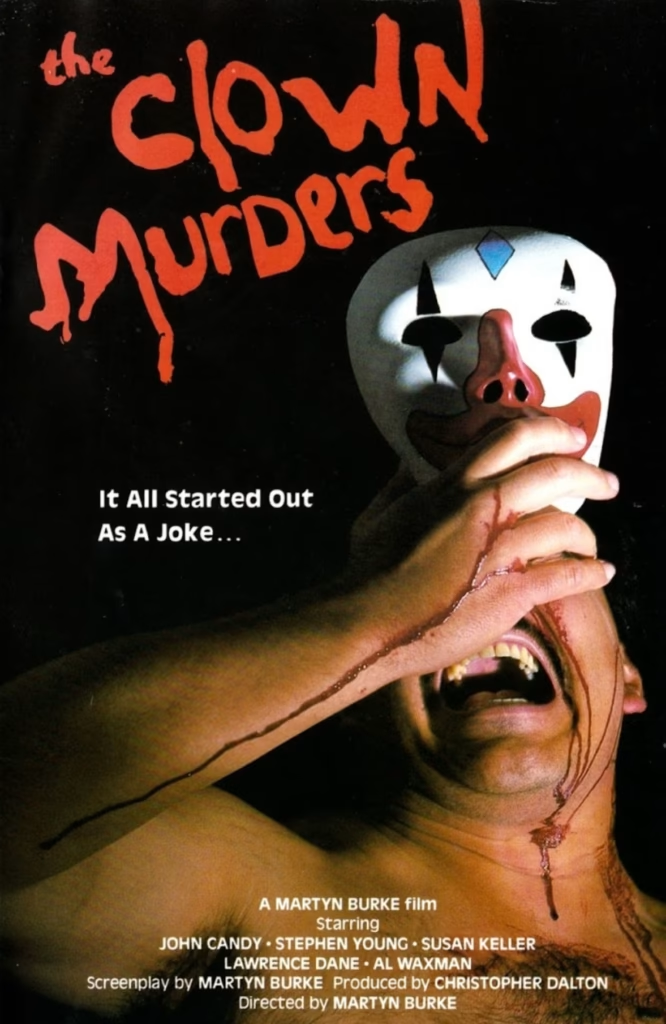
2. Behind the Clown Mask
1. Imagery
A distressed man lifts a white clown mask, revealing his open mouth beneath it. Blood trails down his hand, arm and face, turning the act of unmasking into a disturbing revelation.
2. Composition
The red title occupies the upper left, balanced by the pale mask on the right. A diagonal forearm guides the eye towards the exposed face, while the black background isolates the central image.
3. Colour
Black dominates, making the white mask and red-orange title stand out sharply. Warm skin tones and dark blood give the photograph a raw, physical quality.
4. Title and Typography
Irregular, hand-painted lettering gives the title an unsettling, almost childish appearance. The white tagline and compact credits provide a restrained contrast to its loose shapes.
5. Symbolism and Tone
The mask suggests concealed identity and the fragile boundary between amusement and terror. “It All Started Out As A Joke…” reinforces the idea of play turning into violence, creating a tone of dread and psychological unease.
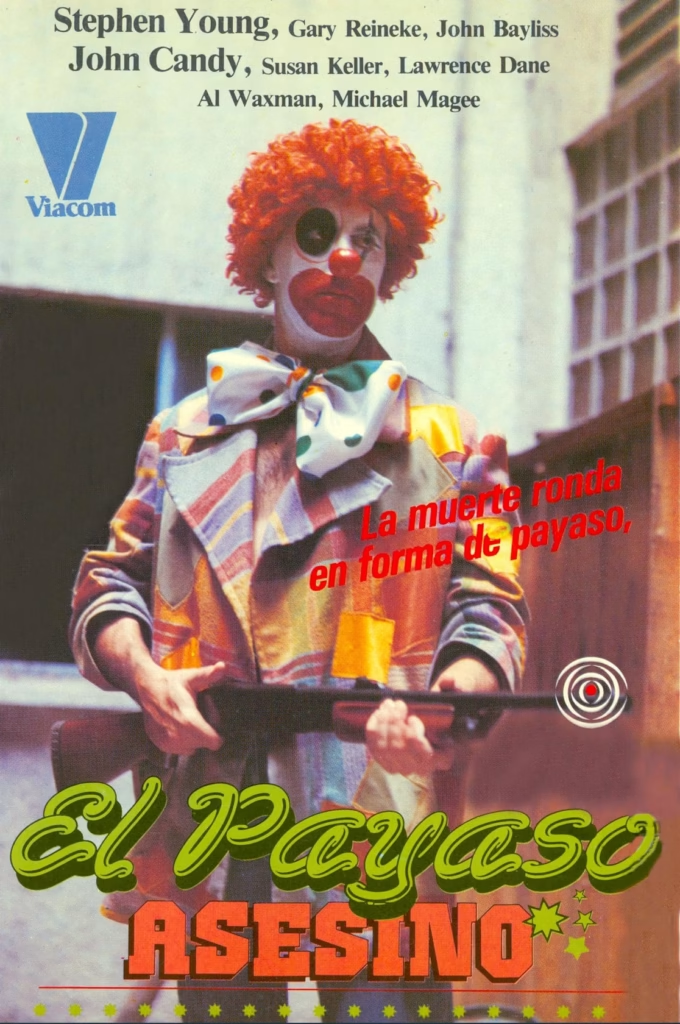
3. El Payaso Asesino: The Spanish Edition
1. Imagery
A clown with a red wig, oversized bow tie and colourful checked costume holds a shotgun. His serious expression and the weapon undermine the cheerful appearance of his outfit.
2. Composition
The central figure fills most of the frame, with the shotgun forming a horizontal line across his waist. Cast names sit above, while a diagonal tagline leads towards the large title at the bottom.
3. Colour
Orange, yellow and pastel checks brighten the costume against a pale architectural background. Lime-green and orange-red typography gives this edition an unusually colourful horror identity.
4. Title and Typography
“El Payaso” appears in ornate green script, contrasting with the heavy orange capitals of “ASESINO”. Dark shadows add depth, while small starbursts reinforce the playful decoration.
5. Symbolism and Tone
The clash between clown costume and firearm turns entertainment into a threat. The tagline, “La muerte ronda en forma de payaso”, makes the danger explicit, while the festive lettering creates an uneasy contrast with the violent imagery.
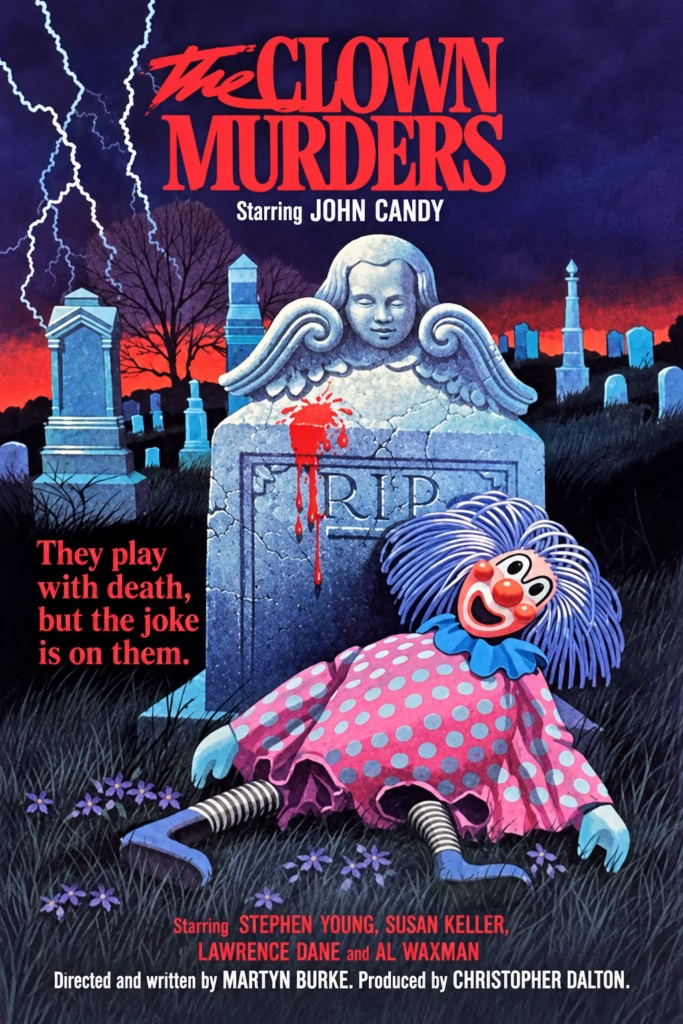
4. A Clown Doll Among the Graves
1. Imagery
A limp clown doll rests against a bloodstained gravestone crowned by a winged cherub. Lightning, bare branches and distant graves complete the illustrated cemetery scene.
2. Composition
The central gravestone anchors the design, while the doll stretches diagonally across the foreground. The title fills the upper section, balanced by lightning on the left and the tagline below.
3. Colour
Violet and icy blue establish a cold, nocturnal atmosphere. Red links the title, bloodstain and glowing horizon, while the doll’s pink costume introduces an unsettling note of cheerfulness.
4. Title and Typography
Tall red serif capitals give the title a commanding presence against the dark sky. The sweeping script of “The” adds movement, while white cast names and credits remain clearly secondary.
5. Symbolism and Tone
The smiling toy and carved cherub evoke innocence, disrupted by blood and the cemetery setting. The tagline turns play into a fatal mistake, reinforcing a macabre tone through the contrast between childhood imagery and death.