Ghoulies (1984): Demonic Excess in Electric Blue and Hellfire Red
Ghoulies (1984): Demonic Excess in Electric Blue and Hellfire Red
- Imagery
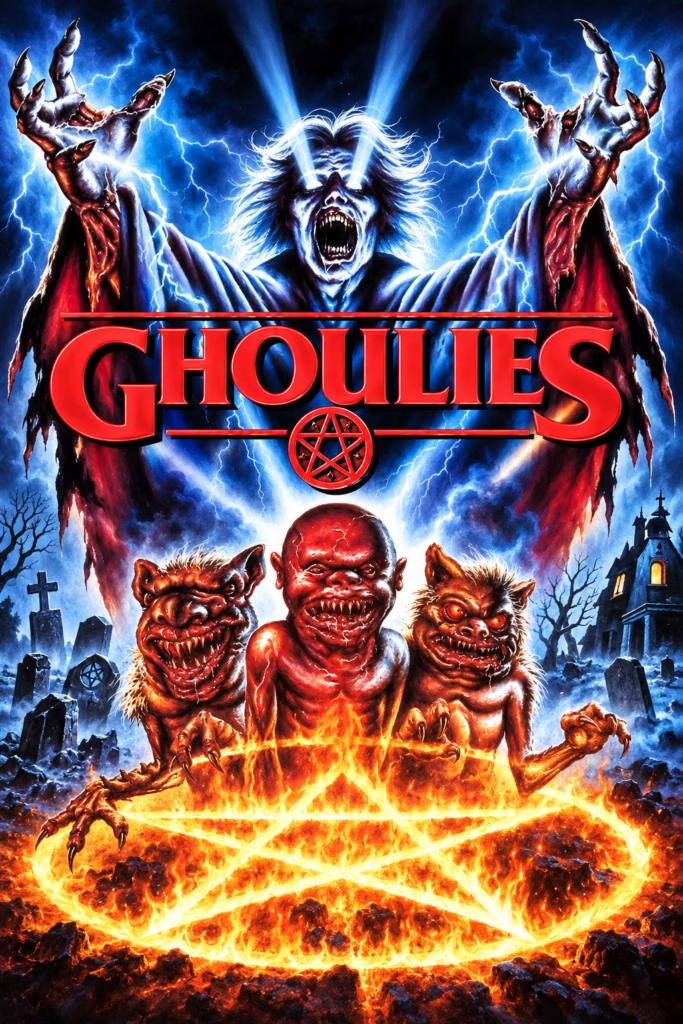
Three snarling Ghoulies rise from a flaming pentagram, surrounded by gravestones, bare trees and a gothic house. Above them, a giant spectral figure raises mutilated hands amid violent lightning. The poster combines monsters, occult ritual and graveyard imagery into an intentionally excessive horror vision.
- Composition
The composition is strongly symmetrical. The giant figure occupies the top, the title forms a central dividing line, and the three creatures dominate the lower half. Lightning, outstretched arms and the circular pentagram pull the eye towards the centre, creating a sense of supernatural energy.
- Colour
Electric blues fill the stormy sky and ghostly figure, suggesting coldness, death and supernatural power. Reds, oranges and yellows dominate the creatures, lettering and fire. This contrast between icy blue and infernal heat makes the design particularly intense.
- Title and Typography
The huge red serif title is theatrical and deliberately bold. Black shadowing adds depth, while the red horizontal rules and pentagram integrate the lettering into the occult imagery. Ghoulies is not just a title: it becomes part of the spectacle.
- Symbolism and Tone
The pentagram signals forbidden ritual and demonic forces, while the graveyard implies a breach between death and life. However, the poster is less genuinely sinister than gleefully over-the-top. It promises colourful, loud and unapologetically pulpy supernatural horror.
Ghoulies (1984): A Pentagram Becomes a Monster
Ghoulies (1984): A Pentagram Becomes a Monster
- Imagery
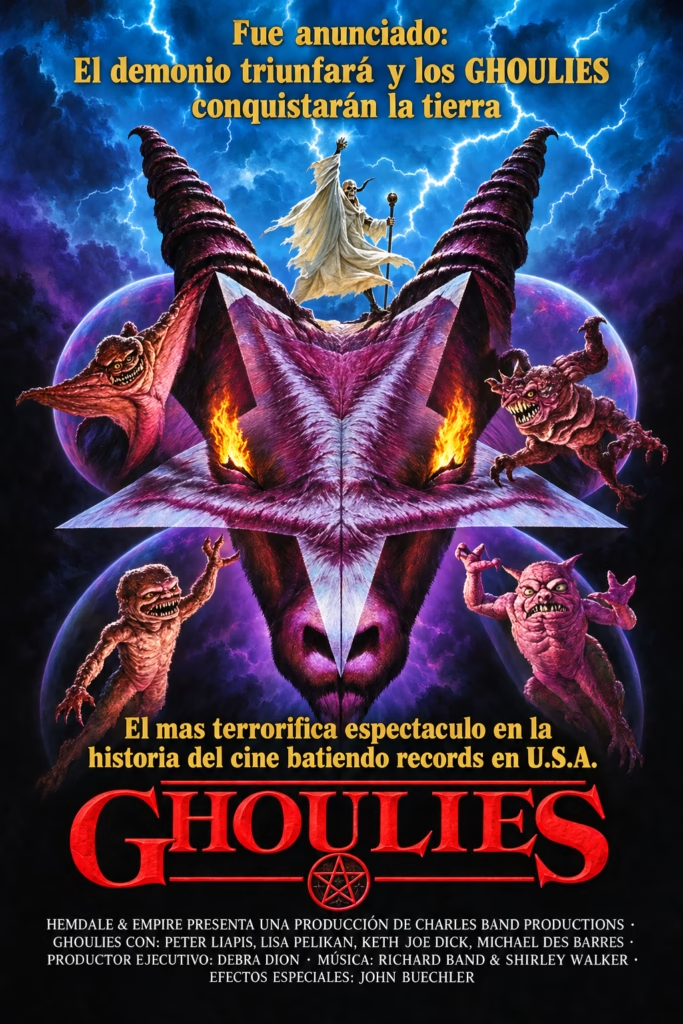
This Spanish poster turns the pentagram into the film’s most striking monster. Its hairy, horned surface seems to unfold into a demonic body, while four Ghoulies circle it like mischievous servants. A skeletal wizard, storm clouds and two glowing planets broaden the image from a haunted house story into a cosmic supernatural threat.
- Composition
The design is rigorously symmetrical. The giant pentagram fills the centre, flanked by matching horns and creatures, while the wizard sits directly above it. The title occupies the lower section, anchoring the more fantastic imagery above. This arrangement makes the poster feel ceremonial, as if the entire composition were an occult emblem.
- Colour
Deep blues and purples give the sky and planets an otherworldly, almost science-fiction quality. Magenta tones define the central beast, while orange flames and yellow lettering introduce warmth. The red title provides the strongest visual accent and connects the film’s name to danger and demonic ritual.
- Title and Typography
The familiar oversized red serif title dominates the bottom of the poster. Its black shadowing and metallic highlights give it weight, while the pentagram beneath the word reinforces the occult theme. The golden Spanish taglines use a dramatic, old-fashioned display typeface that adds to the theatrical promotional tone.
- Symbolism and Tone
The pentagram is no longer merely a symbol of summoning: it has become a living demonic force. The four Ghoulies suggest invasion, as echoed by the promise that they will conquer the Earth. Despite the apocalyptic language, the design remains playful and extravagant—a colourful mixture of fantasy, horror and creature-feature excess.
Ghoulies (1984): A Sorcerer and His Comic-Demonic Court
- Imagery
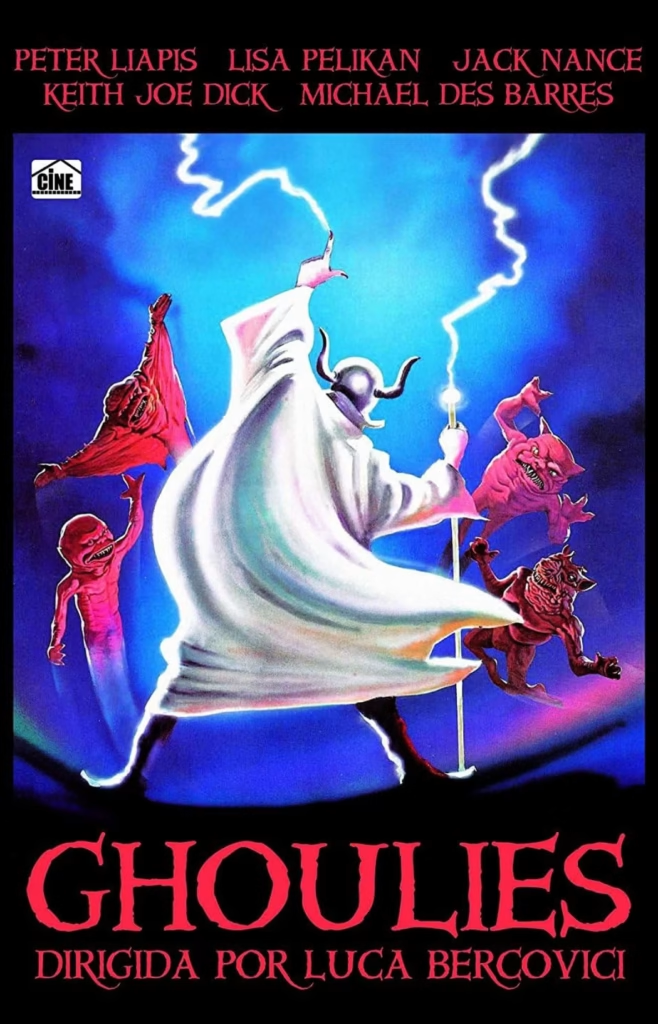
A horned sorcerer in a flowing white robe takes centre stage, raising one arm and holding a lightning-charged staff. Four pink and red Ghoulies swarm around him, each with a different silhouette and mischievous expression. The image presents them less as hidden monsters than as a bizarre demonic entourage.
- Composition
The wizard’s tall, twisting robe creates the poster’s main vertical shape. The Ghoulies surround him in a loose circle, breaking the symmetry and giving the illustration a lively, almost dance-like movement. Black borders separate the painted scene from the cast names and title, creating a classic, straightforward film-poster layout.
- Colour
Electric blue dominates the background and lightning, framing the central white robe with a supernatural glow. Pink, magenta and crimson define the creatures and provide a sharp contrast against the cool blue setting. The restricted palette makes the poster colourful but less fiery than the other designs.
- Title and Typography
The large red title sits against a black ground, making it immediately legible. Its pointed, uneven serif letters suggest Gothic horror while retaining a handmade illustrated quality. The same typeface is used for the cast names and director credit, creating a unified but slightly theatrical design.
- Symbolism and Tone
The staff and lightning identify the central figure as a magician or occult master, while the horned helmet signals his allegiance to darker forces. Yet the Ghoulies appear more impish than terrifying. The tone is playful and uncanny: supernatural horror filtered through a colourful, almost cartoon-like fantasy style.
Ghoulies (1984): The Monster in the Toilet
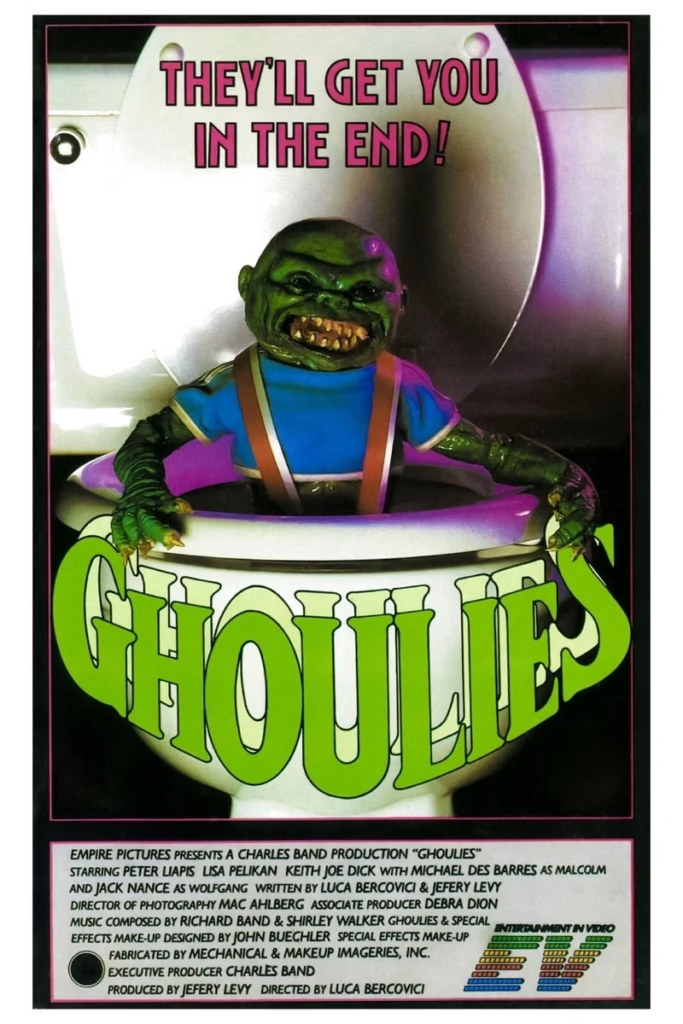
- Imagery
This poster reduces the film’s horror premise to one unforgettable image: a green, toothy Ghoulie climbing from a toilet bowl. Its small blue shirt, orange braces and mischievous grin make it oddly comic, even childish. The ordinary bathroom fixture becomes the source of danger.
- Composition
The design is remarkably simple. The toilet is centred and fills most of the frame, while the creature rises directly from its bowl. The slogan above and title across the pedestal create a clear vertical reading order: warning, monster, name. A thin pink border gives the layout a cheap, eye-catching video-store aesthetic.
- Colour
White porcelain provides a stark backdrop for the Ghoulie’s slimy green skin. Bright blue, orange and purple lighting make the image artificial and playful rather than naturalistic. The acid-green title echoes the creature’s colour, binding the typography tightly to the central image.
- Title and Typography
The title is enormous, green and deliberately distorted to fit the curved shape of the toilet. Its Gothic-inspired letterforms contrast humorously with the mundane setting. Above it, the bold pink slogan—“They’ll get you in the end!”—makes the toilet joke explicit and defines the poster’s irreverent personality.
- Symbolism and Tone
The toilet represents domestic safety turned inside out: horror appears in the most private and everyday place. It also captures the film’s mischievous B-movie spirit, in which shock and bad taste become part of the entertainment. The tone is comic-grotesque, selling a memorable gag as much as a horror film.