
1. The Power Behind the Throne
1. Imagery
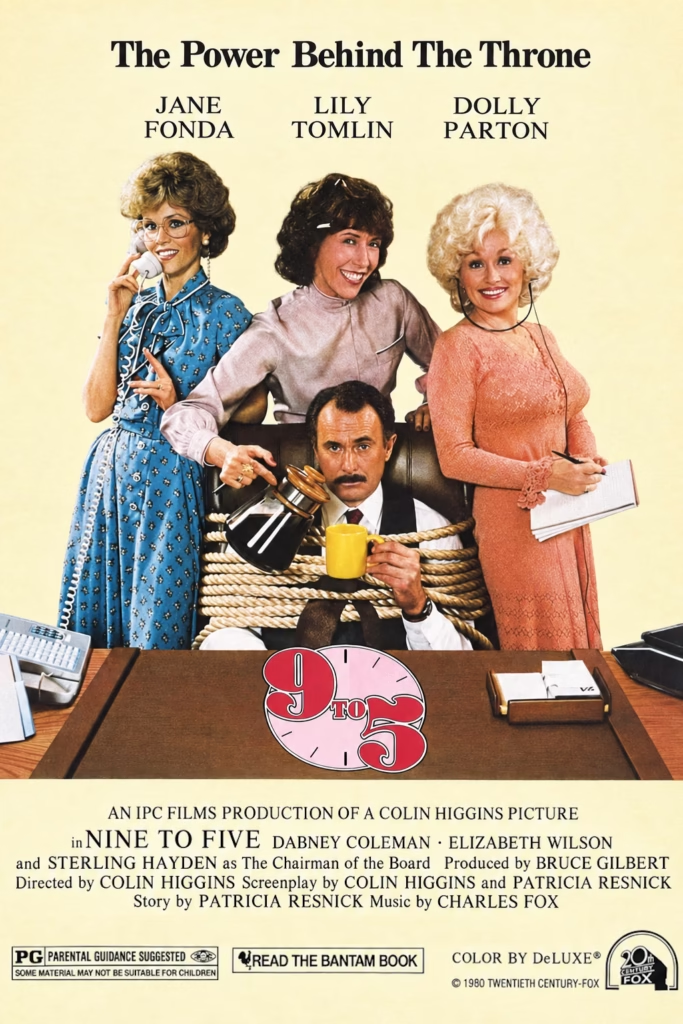
Jane Fonda, Lily Tomlin, and Dolly Parton appear behind an office desk, smiling and occupying a position of authority. Between them, their boss—played by Dabney Coleman—is tied to a chair with numerous coils of rope. The telephone, coffee pot, mug, and notepad establish a recognisable workplace setting.
2. Composition
The three leading women form a triangular arrangement around their boss, who is positioned centrally and at a lower level. This layout visually expresses the reversal of power: the employees remain free and upright, while their superior is restrained.
The desk creates a strong horizontal line and separates the main scene from the credits. The logo is placed at its centre, forming a visual link between the photograph and the information below.
3. Colour
The cream background and warm wood tones create a bright, slightly nostalgic appearance. Against this backdrop, the protagonists’ blue, mauve, and orange dresses stand out clearly.
The colours distinguish each character without disrupting the overall unity of the composition. The pink and red of the logo introduce a stronger accent and draw the viewer’s attention towards the film’s title.
4. Title and Typography
At the top, the tagline “The Power Behind the Throne” appears in a bold, classical black serif typeface. Beneath it, the names of the three actresses reinforce their status as the film’s stars and serve as its principal selling point.
The actual title, “9 to 5,” is incorporated into a clock placed on the desk. Its rounded, decorative design contrasts with the restrained typography above. Although it occupies less space, its central position and vivid colours give it a strong visual presence.
5. Symbolism and Tone
The rope represents the boss’s loss of authority and the employees’ rebellion. The office objects reinforce the everyday workplace setting, while the protagonists’ smiles transform the situation into a fantasy of workplace liberation.
The tagline refers ironically to the power “behind the throne”: the women who keep the office running ultimately gain control over the man who formally holds authority. The poster therefore communicates both the film’s comedy genre and its celebratory, satirical, and empowering tone.
2. Minimalist typographic design
1. Imagery
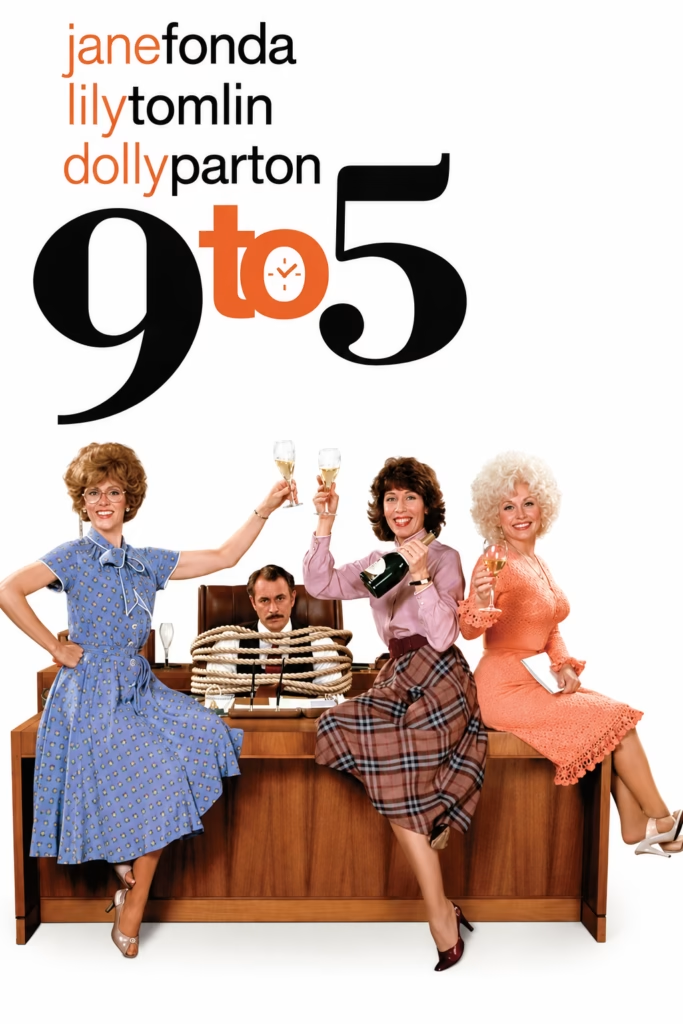
Jane Fonda, Lily Tomlin, and Dolly Parton appear around an office desk, smiling and raising glasses of champagne. Behind them, their boss—played by Dabney Coleman—remains tied to a chair with numerous coils of rope. The image provides a comic summary of three employees rebelling against an authoritarian superior.
2. Composition
The poster is divided into two areas: the large title against a white background occupies the upper half, while the characters are concentrated in the lower section. The three women form a triangular arrangement around their boss, who is centrally positioned in a subordinate role.
The desk provides a strong horizontal base, while the generous white space creates a clean appearance and directs attention towards the title and the leading characters.
3. Colour
White, black, and orange dominate the design. The white background reinforces its modern, minimalist character; black provides contrast, while orange conveys energy and optimism.
The blue of Jane Fonda’s dress, the pink and brown tones worn by Lily Tomlin, and Dolly Parton’s orange outfit visually distinguish the three protagonists and balance the composition.
4. Title and Typography
The enormous “9 to 5” title is the poster’s most prominent element. It uses a bold, rounded typeface, with the numbers in black and the word “to” in orange. A small clock appears inside the letter “o,” directly referencing the working day.
Although separated from the photograph by white space, the title remains conceptually integrated with the scene. The actresses’ names repeat the orange-and-black colour combination, visually unifying the entire design.
5. Symbolism and Tone
The rope represents a reversal of power: the boss has lost control of the office. The champagne and smiles transform the situation into a celebration, removing any sense of violence.
The poster immediately communicates the film’s comedic tone through an absurd situation, vivid colours, and an image that is easy to interpret. Its effectiveness lies in combining a memorable logo, three recognisable stars, and a scene that encapsulates the plot.