
1. A Face Against the Urban Landscape
1. Imagery
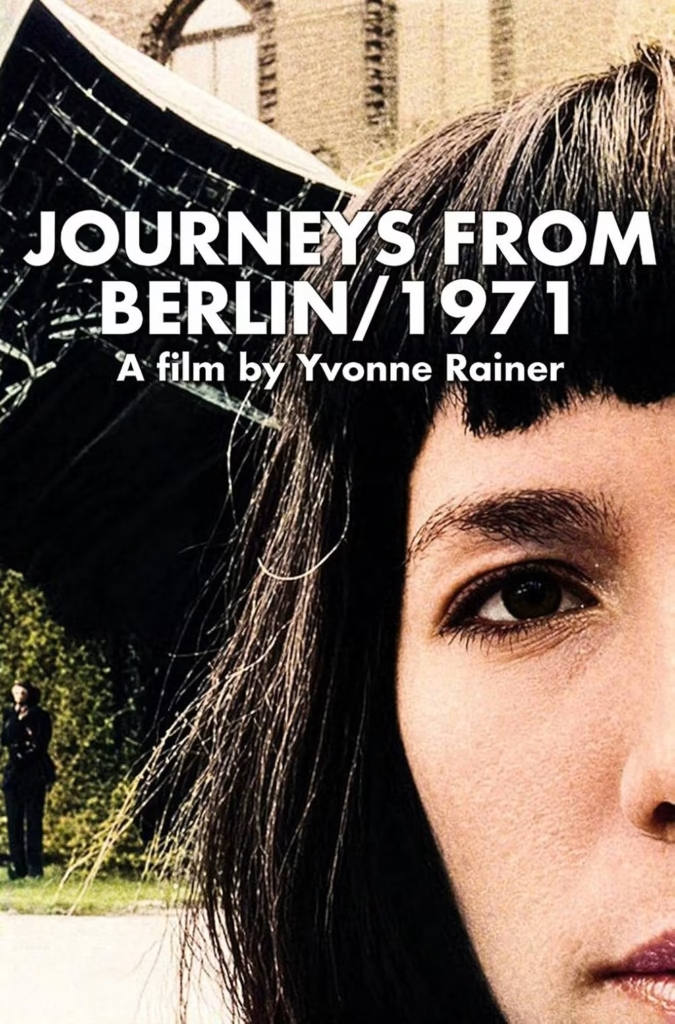
A close-up of a dark-haired woman fills the right side, leaving only part of her face visible. A building, greenery and a small distant figure establish the surrounding urban setting.
2. Composition
The extreme crop creates an asymmetrical layout, contrasting the woman’s proximity with the distant figure on the left. Architectural diagonals add depth, while the title spans the upper section.
3. Colour
Warm skin tones and pale brick contrast with deep black hair and shaded architecture. Muted green foliage adds a natural accent, while white lettering stands out against the darker areas.
4. Title and Typography
Bold white sans-serif capitals present the title across two lines. The smaller director credit sits beneath, with both elements superimposed directly over the photograph.
5. Symbolism and Tone
The partial face and contrast between near and distant figures suggest fragmented perspective and separation. The restrained expression and everyday setting create an introspective tone, inviting reflection rather than promising spectacle.
2. Political Violence and the Inner Life
1. Imagery
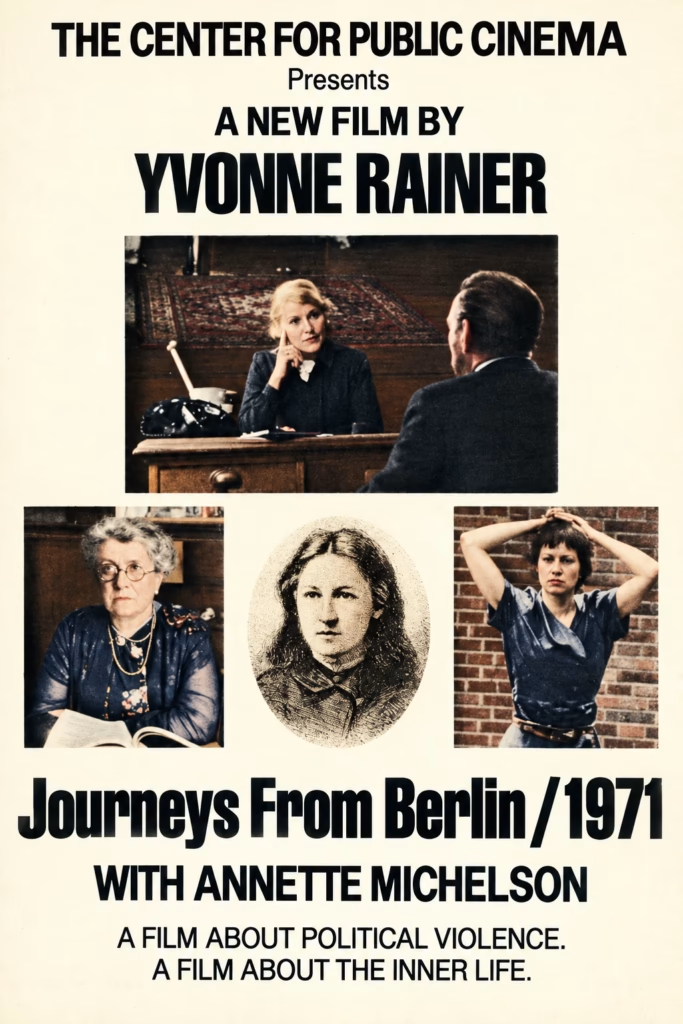
A woman and a man face each other across a desk in the main photograph. Below, two photographic portraits flank an engraved female likeness, bringing together different forms of representation.
2. Composition
A centred, orderly layout places the director’s name above the images and the film title below. The larger conversation scene establishes a focal point, while the three smaller portraits create a balanced horizontal row.
3. Colour
In this colourised version, muted blues, browns and natural skin tones sit against cream paper. The central portrait retains a sepia appearance, distinguishing its engraved texture from the photographs.
4. Title and Typography
Heavy, condensed black lettering gives Yvonne Rainer’s name and the film title strong visual prominence. The text remains separate from the images, creating the clear structure of a screening announcement.
5. Symbolism and Tone
The juxtaposition of conversation, reading and individual portraits suggests reflection and multiple perspectives. The closing statements explicitly connect political violence with inner life, establishing a serious, contemplative tone.